Short answer
A 360-degree digital marketing agency does not manage each channel separately; it connects SEO, performance advertising, content, conversion optimisation and data analytics through a single data architecture. Having different departments in the same office does not make an agency 360-degree. What matters is that one channel's data feeds the others and the result turns into measurable sales.
4 min read
In the digital world, "360 degrees" is probably the most used yet least understood term in the agency vocabulary. Many brands shake hands with agencies on the strength of this promise, only to end up with a social media account working in isolation, a Google Ads account spending budget on its own and a few blog posts that deliver no results.
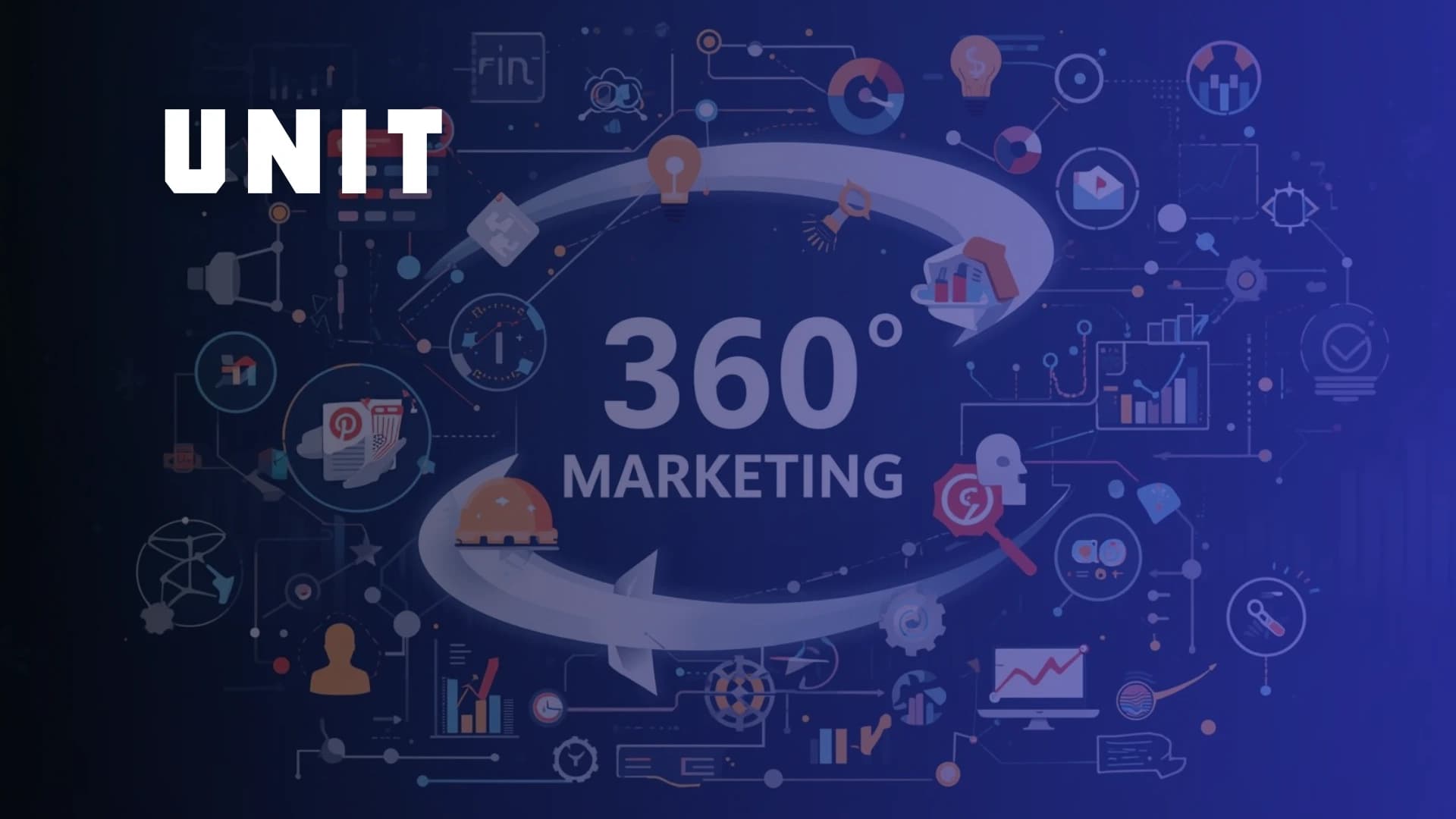
Especially given the complex algorithms and AI-powered search engine dynamics of 2026, being a 360-degree digital marketing agency does not mean "doing everything". A genuine 360-degree agency is a structure that ensures all digital marketing channels talk to one another through a single data architecture.
Social media engagement feeding website traffic, organic users arriving via SEO feeding remarketing campaigns, and the whole process ultimately turning into measurable sales and brand loyalty: this is only possible with an integrated system.
The Line Between Illusion and Reality
Most traditional agencies on the market follow a horizontal growth model. In other words, they add a graphic designer, a copywriter and an advertising specialist to the team and claim to offer every service. Yet if there is no strategic link between the units managing your marketing budget, you cannot speak of a 360-degree service. All you have is "different departments sitting in the same office".
A genuine integrated growth model begins when rising search trends identified by the SEO department are turned into ads by the performance marketing team. The resulting conversion rates (CRO) form the basis of the new visual language the creative team will produce. The system is built entirely on a data loop in which each part feeds the others.
The Difference Between a Traditional "Do-Everything" Agency and a True 360° Growth Agency
When choosing an agency, whether decision-makers can see this clear line determines the fate of their marketing budget:
| Criterion | Traditional "So-Called" 360° Agency | Data- and Performance-Driven 360° Agency |
|---|---|---|
| Channel Management | Channels are managed in isolation (in "silos"). | There is two-way data transfer and integration between channels. |
| Focus | Expanding the range of services and aesthetic concerns. | Customer Lifetime Value (LTV) and Conversion (ROI). |
| Budget Strategy | The budget is split equally or in fixed amounts across channels. | The budget is shifted dynamically to the channel delivering the highest profitability at that moment. |
| SEO and Advertising | Run by separate teams unaware of each other. | Organic and paid data feed each other (Synergy). |
| Reporting Language | "How many people saw it?", "How many likes did we get?" | "How much has our cost per acquisition (CPA) fallen?" |
The Core Pillars of an Integrated Marketing Architecture
For an agency to manage processes end to end, it needs to build four core pillars in seamless alignment.
First comes strategy and positioning. Any step taken without analysing the brand's digital footprint, its target audience's search intent and competitors' gaps is blind spending. Next comes traffic generation. The point here is not simply to bring visitors to the site, but to bring in qualified users with high purchase intent. Organic authority is built through semantic SEO, while growth is accelerated with agile performance marketing campaigns.
The third stage is conversion. Once traffic arrives on the site, what turns a visitor into a customer is the speed of the interface (UX), the persuasiveness of the content and a site architecture that inspires trust. The final stage is making sense of the data, and loyalty. Every step is tracked with GA4, CRM integrations and advanced measurement tools, and automations are put in place to keep users engaged with the brand.
Our View of 360 Degrees at UNIT İstanbul
We see digital marketing not as a menu of services bought piece by piece, but as the organs of an organism working in sync. When we take on a brand at UNIT İstanbul, we never think of SEO goals separately from performance campaigns, or data analytics separately from creative processes.
In the 360-degree growth architecture we apply, our goal is not only for your brand to be visible, but for it to become a profitable authority in the digital ecosystem. Because we know that creativity without strategy is just art, and traffic not grounded in data is just cost. Our focus is on bringing these elements together to create a measurable growth engine.
If your brand is losing energy between disconnected departments in the digital world, and you now want to see the bigger picture and build sustainable growth momentum, it is time to go through a professional audit.
Let's Build Your Digital Ecosystem Together To find out where your digital marketing budget is leaking and move to an integrated growth model, meet the UNIT İstanbul Growth Team. 👉 Request a Free Strategy Meeting
For a more in-depth look at what to consider when choosing an agency, see our comprehensive guide What to Know When Choosing a Digital Marketing Agency (2026 Guide).